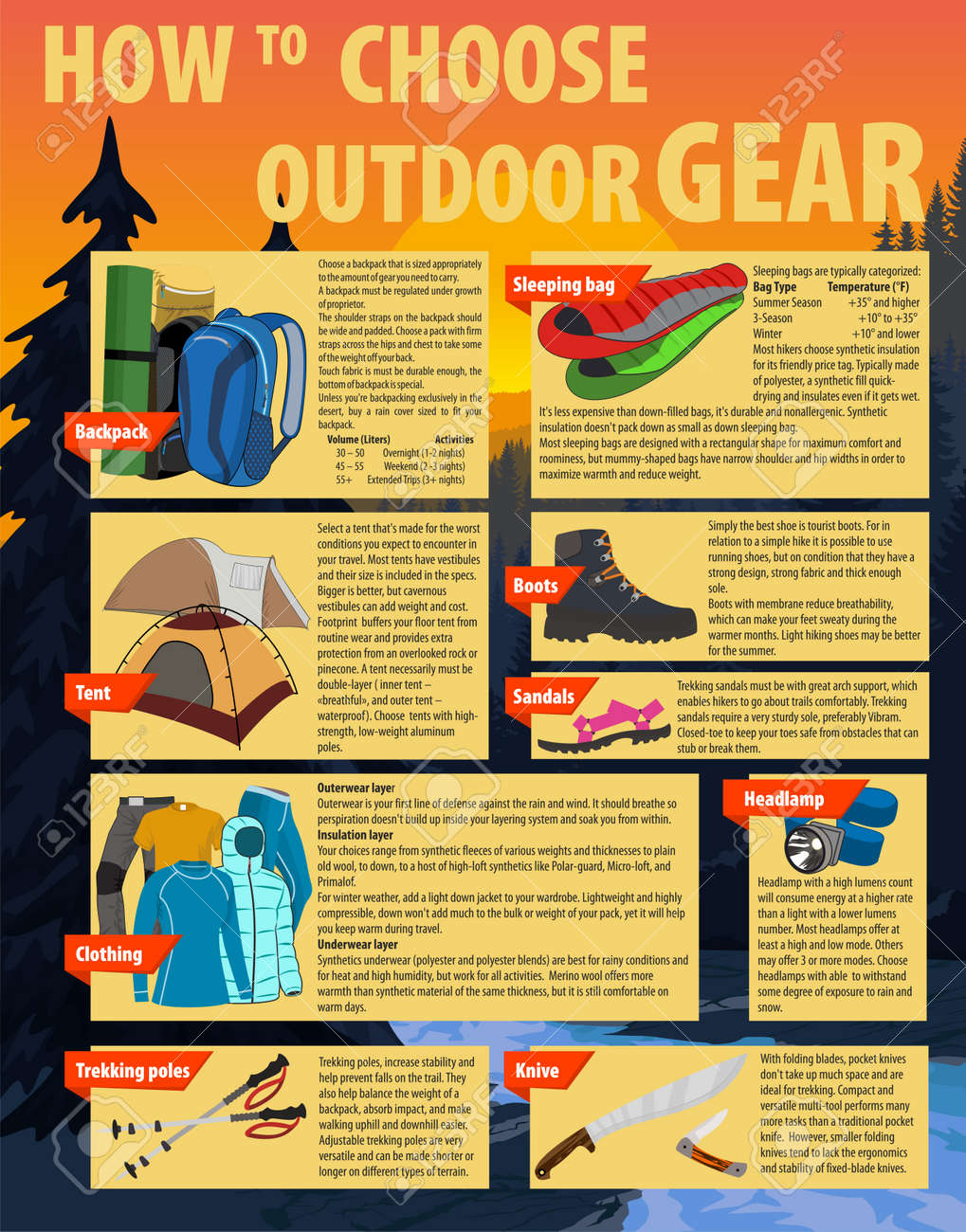
Tent Size and Furnishings Layout: Locating the Balance
Picking a camping tent is hardly ever nearly square footage. 2 campers can get the exact very same model and wind up with totally different experiences, just because one loaded a cot, a folding table, and a gear closet right into the space while the various other left it open and breathable. The real inquiry isn't "exactly how large is this camping tent?" yet "how much usable space is left once I put my stuff in it?" That difference is where furnishings layout comes in, and it is entitled to as much thought as the camping tent purchase itself.
Why Flooring Room Figures Can Be Misleading
Suppliers advertise outdoors tents by square video footage and "rests 4" or "sleeps 6" tags, yet those numbers think resting bags laid shoulder to shoulder with practically no gap and absolutely no furniture. The moment you introduce a cot, a tiny table, and even a couple of knapsacks, that capability drops fast. A camping tent ranked for 4 people may comfortably sleep 2 adults when you consider a cot for every person and a narrow aisle to walk through. Before purchasing, it assists to assume much less concerning head count and more concerning footprint: the amount of square feet does your real equipment occupy, and how much clear floor do you desire left over for motion.
Begin With a Format, Not a Think
Instead of buying a camping tent and wishing the furnishings fits, it works far better to illustration the format initially. Procedure your cot, table, chairs, or storage bins, after that contrast those dimensions versus the outdoor tents's floor plan, which most manufacturers publish along with the specifications. A rectangular tent offers you a lot more functional wall-to-wall space for rectangle-shaped furnishings like cots and tables, while dome-shaped camping tents lose usable edge space to the bent wall surfaces, even if the complete square video looks similar on paper. Knowing this ahead of time stops the frustrating experience of reaching a campground only to find the cot doesn't fit without touching both side wall surfaces.
Prioritize What You'll Actually Make use of
Furniture inside a tent must earn its room. A cot improves rest high quality and keeps you off cool or uneven ground, that makes it worth prioritizing over virtually anything else. A little table serves for headlamps, phones, or a deck of cards, yet it eats into legroom quick in smaller outdoors tents. Camp chairs seldom belong inside a tent in any way; they're bulky, and most people use them outside near the fire rather than indoors. The goal is to rank your furniture by necessity rather than trying to replicate a bedroom setup, since every extra item narrows your walking space and makes nighttime bathroom journeys even more of a barrier program.
Match Furniture Height to Camping Tent Height
Peak height matters just as high as flooring room when furniture enters the equation. A cot increases your resting position anywhere from seven to eighteen inches off the ground, and in a camping tent with sloped walls, that can place your head or shoulders against the textile long before you 'd expect. If you intend to use a cot or an increased bed, seek an outdoor tents with solid upright wall surfaces near the resting location, not just a tall facility height. Camping tents with a single high point and high sloping sides look sizable in pictures yet typically leave really little standing or sitting headroom once you move away from the center.
Leave Space for Activity, Not Just Storage
It's tempting to treat every square inch of camping tent flooring as storage room, especially on multi-day trips with a lot of equipment. But a tent packed wall to wall with bins and bags becomes difficult to move canvas pouch through, and it raises the chance of stumbling at night or knocking something over. A workable technique is to book about a third of the layout as a clear course, even if that implies leaving some gear in the vestibule or car as opposed to inside the sleeping location. Vestibules and gear lofts exist specifically to handle overflow without giving up walking space.
Test the Layout Before the Trip
One of the most trustworthy way to recognize whether a tent and its furnishings will interact is to establish everything up in the house first. Pitch the outdoor tents in a yard or living space, bring in the cot, table, or storage you plan to use, and walk through your typical routine, entering and out, reaching for a bag, transforming clothes. Troubles that seem small on paper, like a table obstructing the door or a cot leaving no space to kneel, end up being obvious promptly in a real dry run, and they're much easier to deal with in your home than at a camping site after dark.
Stabilizing tent dimension with furniture isn't regarding buying the biggest tent offered. It has to do with matching the camping tent's real shape and height to the furnishings you intend to make use of, and being honest regarding just how much open space you need to relocate comfortably. A little preparation prior to the trip conserves a great deal of disappointment as soon as you're actually outdoor camping.